


Session Respect Score
"Fast-paced arcade racing with weapons and physics-defying flips."
Minimum session
5 min
Pausability
Pause anytime
Resume friendliness
Easy to resume
FOMO pressure
Zero FOMO
Focus required
Moderate
Session structure
Self-contained runs
Similar games






Platforms
Age Rating

About
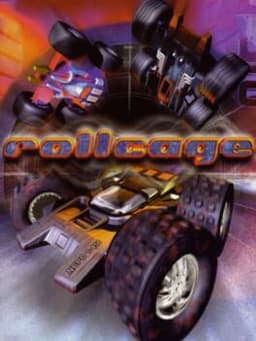
Rollcage Stage II is an arcade-style racing game for PlayStation and PC, developed by Attention To Detail, and published by Psygnosis. It is the sequel to Rollcage and was released in 2000. On top of the basic racing concept, the cars can be equipped with weapons, that are picked up on the track as bonuses, which can be used against competing cars. The automobiles themselves, once again, have wheels that are larger than the body of the car thus creating a car that has no 'right way up' and can be flipped and continue to drive.
Media
Community Tips
Be the first to leave a tip!
Sign in to add a tip
Community Session Data
No sessions logged yet —
Context Tags
No sound needed? One-handed? Good for commutes? Players vote.
Sign in to vote on tags
Platform Notes
Does it actually work well on your platform? Community tested.
Rollcage Stage II — Session FAQ
- How long does a session of Rollcage Stage II take?
- The minimum meaningful session for Rollcage Stage II is approximately 5 minutes. This is the shortest play window where you can make real progress or have a satisfying experience, based on community data.
- Can you pause Rollcage Stage II?
- Yes — Rollcage Stage II supports instant pause. You can stop at any moment without penalty, making it ideal for sessions that might be interrupted.
- Does Rollcage Stage II pressure you to keep playing?
- Rollcage Stage II has no FOMO mechanics — no timed events, live content, or narrative cliffhangers. You can stop whenever you want without feeling like you're missing out.
- What is Rollcage Stage II's Session Respect Score?
- Rollcage Stage II has a Session Respect Score of 9.6/10. This score combines minimum session length, pausability, FOMO level, and pickup friendliness into a single metric for how well the game fits busy schedules.